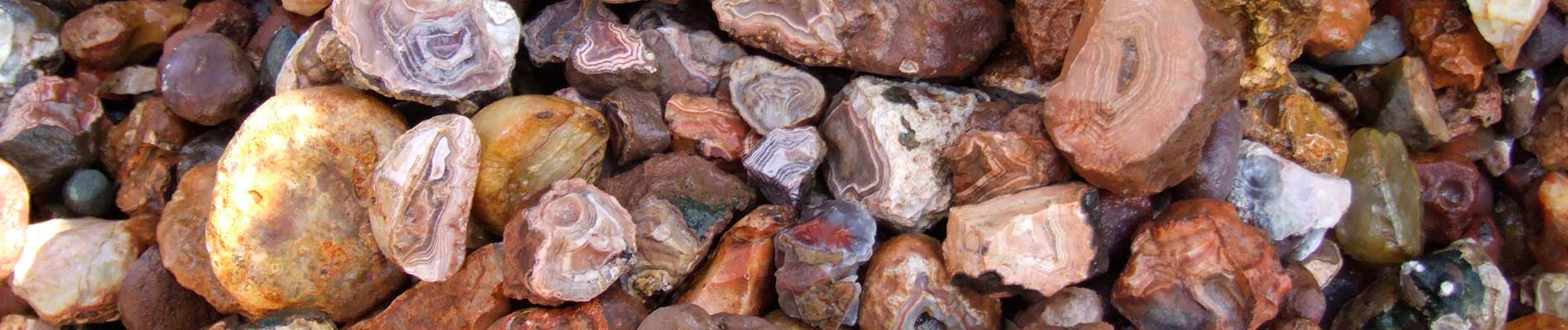
Fossicking in the Northern Territory
Seven declared fossicking areas across some of the most remote and spectacular country in Australia. Gold, garnet, zircon, prehnite, and stones found nowhere else on Earth.
Permit Cost
Free
Declared Areas
7
Gold Limit
100 g
Permit Duration
5 years
The Territory is different
Fossicking in the NT is not like fossicking in the eastern states. The distances are enormous, the heat is relentless, and mobile reception is almost non-existent once you leave the highway. But the rewards match the effort. The Territory holds gold that started a rush in 1887, garnets you can pick from the hillside, zircon crystals in colours from orange to purple, and prehnite nodules scattered across the surface of volcanic plains.
All fossicking in the NT must take place within one of seven declared fossicking areas. You need a permit (free, valid for up to five years), hand tools only, and enough water and fuel to get in and out safely.
Declared Fossicking Areas
Click any area for detailed access directions, what you can find, camping, and rules.
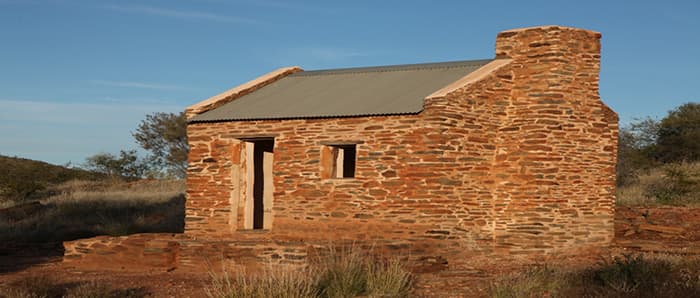
Arltunga
FA29516East MacDonnell Ranges - 110 km east from Alice Springs
The historic town of Arltunga was officially Central Australia's first town and once supported up to 3,000 people. Arltunga was born out of a gold rush in 1887 when alluvial gold was discovered in a dry creek bed.
Read full guide
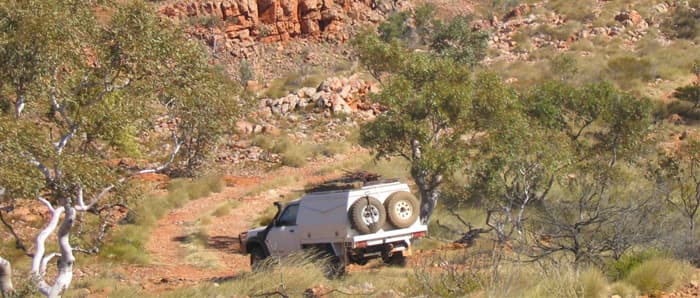
Central Harts Range
FA1Harts Range - 215 km north-east from Alice Springs
The Central Harts Range fossicking area lies due south of the Atitjere Community, and encompasses the abandoned mica mines of Mount Palmer.
Read full guide
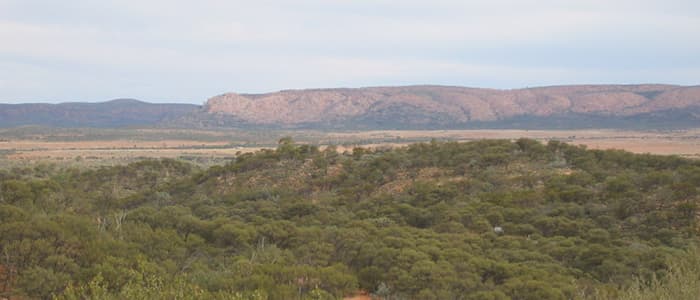
Harts Range West
FA9Harts Range - 140 km north-east from Alice Springs
The mineral rich Harts Range West and Central Harts Range fossicking areas are located in the Harts Range, nestled amongst mountains such as Mount Brassey, Mount Palmer and Mount Mabel in the southeast of the Northern Territory.
Read full guide
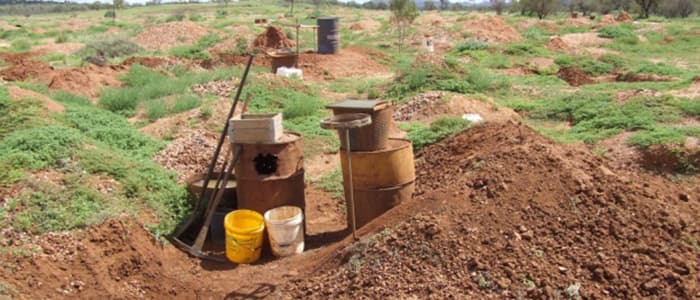
Mud Tank Zircon Field
FA11Harts Range district - 130 km north-east from Alice Springs
The Mud Tank area on Alcoota Station in the Harts Range district is well known in the fossicking fraternity for its zircon material, a semi-precious Australian gemstone.
Read full guide
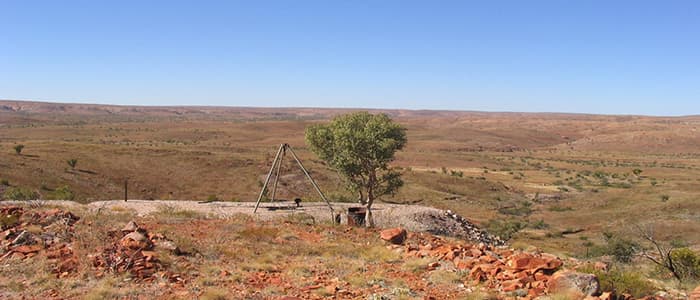
Warrego
FA4Near Tennant Creek - 47 km west from Tennant Creek
Exploration of the Warrego copper-bismuth-gold anomaly commenced in the late 1950s and operated up to late 1989, producing approximately 4.94 Mt of ore.
Read full guide
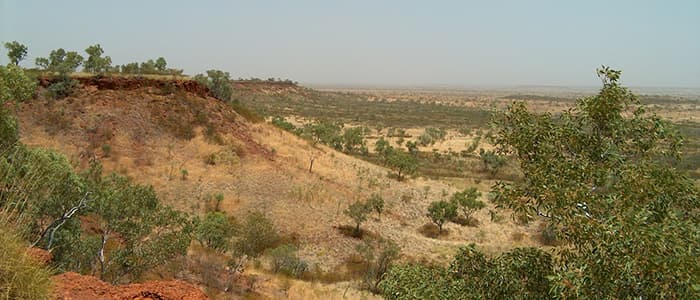
Newry
FA7Near WA border - 45 km east from Kununurra (WA)
The Newry fossicking area is located on Newry Station, a large pastoral lease south west of Darwin in the Northern Territory. It adjoins the Territory's border with Western Australia and is operated as a cattle station.
Read full guide
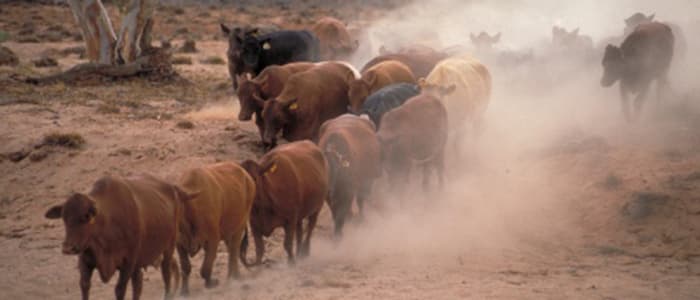
Wave Hill
FA8Victoria River district - 8 km south from Kalkarindji
Wave Hill (also known as Kalkarindji) and the nearby settlement of Daguragu are the population centres of the land formerly held under the Wave Hill Cattle Station. Wave Hill was formed as a settlement supply town to service the local pastoral industry which grew up in the early 1900s.
Read full guide
Permits and Rules
Fossicking in the NT is a recreational activity only and must not be carried out for commercial purposes.
Getting a Permit
Fossicking permits are free and can be obtained by applying through the NT Government. Permits are valid for up to five years and can be renewed. You must carry your permit with you while fossicking. Fossicking is only permitted within declared fossicking areas.
Tools Allowed
Hand tools only: pick, shovel, pan, sieve, and metal detector. You may dig to a maximum depth of 1 metre. Power-operated screening equipment is permitted, but power-operated extraction equipment is not. No explosives of any kind.
Collection Limits
| Material | Limit |
|---|---|
| Gold | 100 grams |
| Gemstones | 1 kilogram |
| Other minerals | 20 kilograms |
| Mineral-bearing material | 100 kilograms |
| Ornamental stones | 100 kilograms |
What You Cannot Collect
- Diamonds are excluded from any fossicking permit
- Fossils and Aboriginal artefacts must not be disturbed or collected
- Material collected must not be sold commercially
Land Access Requirements
Pastoral Land
Give the pastoralist at least 7 days written notice before entering.
Exploration or Mineral Licence
Give the title holder at least 14 days written notice before entering.
Aboriginal Land
You must obtain consent from the relevant Land Council (Northern Land Council or Central Land Council) before entering.
Safety in the Territory
The NT is vast, hot, and remote. Preparation is not optional.
Water
Carry at minimum 5 litres per person per day, more if you are digging or the temperature is above 35 degrees C. Most fossicking areas have no potable water, and creek beds may be dry for months at a time. Dehydration in the outback can become life-threatening within hours. Bring more water than you think you need, and keep a reserve in your vehicle that you do not touch unless it is an emergency.
Fuel
Fill up at every opportunity. Distances between fuel stops can exceed 200 km, and some fossicking areas add 50 to 100 km of unsealed road on top of that. Carry at least 20 litres of spare fuel in approved containers. Fuel availability at remote roadhouses can be unreliable, so do not assume a servo marked on the map will be open or stocked when you arrive.
Vehicle
A 4WD with good ground clearance is recommended for most areas and essential for Arltunga, Harts Range, and Newry. Check road conditions with the NT Government before travelling, especially during the wet season (November to April) when many roads are closed entirely. Carry a basic recovery kit including a tyre repair kit, tow strap, and shovel. Let your tyres down on sandy tracks and re-inflate before returning to bitumen.
Communication
Mobile reception is non-existent at most NT fossicking areas. Carry a satellite phone or personal locator beacon (PLB). A PLB can be hired from outdoor retailers if you do not own one. Download offline maps before you leave, as GPS navigation without mobile data can send you down closed or non-existent tracks. UHF radio (channel 40) is useful for communicating with other travellers on single-lane roads.
First Aid
Carry a well-stocked first aid kit including compression bandages for snake bite, antiseptic, and blister treatment. The nearest hospital can be many hours away from most NT fossicking areas. Know basic first aid before heading out, and carry any personal medications you may need for the full duration of your trip plus extra. Consider completing a remote first aid course if you plan to fossick in the Territory regularly.
Tell Someone
Leave your travel plans with a responsible person, including expected return dates, the specific fossicking areas you plan to visit, and your planned route. If you change your plans, update them. Many NT fossicking areas see no other visitors for days or weeks at a time, so if something goes wrong, nobody may notice your absence. Register your trip with the local police station, particularly for Arltunga, Harts Range, and Wave Hill.
Crocodiles
Saltwater crocodiles inhabit rivers, creeks, and waterholes across the Top End, including areas around the Newry fossicking area near Katherine. Never swim in, wade through, or camp beside waterways unless you are certain they are croc-free. Assume every body of water in the tropical NT contains crocodiles. Do not clean fish or discard food scraps near the water. Be aware that crocs can be found well inland and in surprisingly small bodies of water.
Mine Shafts
Several fossicking areas contain abandoned mine workings, open shafts, and unstable ground, particularly at Arltunga and Warrego. Stay well clear of fenced-off areas and never enter abandoned mine tunnels or shafts. Ground around old workings can be undercut and collapse without warning. Keep children and pets away from all mine openings. If you see an unfenced shaft, report it to the NT Government.
See All NT Fossicking Areas on the Map
View exact boundaries, satellite imagery, and terrain for all seven declared areas.
Open MapArea information and photographs sourced from the Northern Territory Government Department of Industry, Tourism and Trade, used under Creative Commons Attribution 4.0 licence. This guide is provided for informational purposes only. Always verify current rules, access conditions, and permit requirements with the NT Government before travelling.