Permits & Rules
A complete guide to fossicking licences, tools allowed, land access rules, and where you can and cannot fossick in every Australian state and territory.
States Covered
8
Cheapest Permit
Free
Most Expensive
$52.15
Longest Duration
Lifetime
Before you dig
Every Australian state and territory has its own rules for fossicking. Some require a licence. Others are free. The tools you can use, the depth you can dig, and the land you can access all vary by jurisdiction. Getting it wrong can mean fines, confiscation of your finds, or trespass charges.
This guide covers every state and territory. Read the section for your state, get your permit sorted, and know exactly where you stand before you head out.
At a Glance
| State | Permit | Cost | Duration | Max Depth |
|---|---|---|---|---|
| NSW | No general fossicking licence | No statewide fossicking fee. Forestry Corporation charges a fee for the state-forest permit. | State-forest permit: 12 months | 1 cubic metre of soil or rock per person per 48 hours |
| QLD | Fossicking Licence | $9.33 (1 month), $35.40 (6 months), $59.63 (1 year) | 1 month, 6 months, or 1 year | 2 metres on Designated Fossicking Land |
| VIC | Miner's Right | $27.80 (10 years) | 10 years | No more than 2 metres |
| SA | Precious Stones Prospecting Permit | Free | Ongoing | Surface fossicking only (no shaft sinking without a mining tenement) |
| WA | Miner's Right | $29.50 | Ongoing (no expiry) | No more than 3 metres |
| NT | No permit required | Free | N/A | 1 metre |
| TAS | Prospecting Licence (free in designated fossicking areas) | Free in fossicking areas, $39.20/year for Prospecting Licence | 5 years (Prospecting Licence) | Surface fossicking only |
| ACT | No formal licence (restricted) | N/A | N/A | Surface collection only |
Rules That Apply Everywhere
Regardless of which state you are in, these rules apply to all fossicking across Australia.
Backfill all holes
Every state requires you to backfill any holes you dig and restore the ground surface. No exceptions.
National Parks are off-limits
Fossicking is prohibited in all National Parks across Australia. This includes State Parks, Wilderness Parks, and most Conservation Reserves.
Hand tools only
Mechanised or powered extraction equipment is not permitted under any recreational fossicking licence. Metal detectors are generally allowed.
Recreational only
All fossicking licences are for recreational purposes. Commercial-scale mining requires separate tenements and approvals.
Respect Aboriginal heritage
Aboriginal cultural heritage sites and artefacts are protected by law in every state. Do not disturb or collect any artefacts.
Leave gates as you find them
If you pass through a gate on the way to a fossicking area, leave it as you found it. Open gates stay open. Closed gates get closed.
Tools of the Trade
What you can use when fossicking. Every state allows hand tools. The details vary.
Always Allowed
- Gold pan
- Hand pick
- Shovel or spade
- Sieve or classifier
- Rake
- Trowel
Usually Allowed
- Metal detector (battery)
- Hand sluice or cradle
- Dry blower (hand)
- Crevicing tools
- Bucket
Never Allowed
- Powered excavation
- Dredges or pumps
- Explosives
- Chemicals (mercury, cyanide)
- Hydraulic equipment
New South Wales
Permit
No general fossicking licence
Cost
No statewide fossicking fee. Forestry Corporation charges a fee for the state-forest permit.
Duration
State-forest permit: 12 months
Max Depth
1 cubic metre of soil or rock per person per 48 hours
How to Apply
Apply through Service NSW (state forest only).
Dig Here wrote this summary. The Mining Act 1992 and the Mining Regulation 2016, plus the regulator's fossicking guide, are the authority. District maps are on the New South Wales fossicking guide. Open MinView before you dig.
Tools Allowed
- Hand tools: hammer, pick, shovel, pan, sieve, and a non-powered river sluice
- A metal detector, where it does not disturb the surface
- No explosives, and no power-operated equipment for digging or processing
Where You Can Fossick
- Land you already have a right to be on, using hand tools
- Inside a fossicking district, without the exploration licence holder's consent
- State forest, with a current Forestry Corporation fossicking permit
- Private land, with the landholder's consent
Where You Cannot Fossick
- National parks, other than Grove Creek in Abercrombie Karst Conservation Reserve, Torrington State Conservation Area, and Nuggetty State Conservation Area away from Tuena Creek
- A mining lease, mineral claim, or opal prospecting licence, without that holder's consent
- An exploration licence outside a fossicking district, without that holder's consent
- Native title land, unless the registered native title body has consented, and then only with hand-held tools and no digging or clearing
| Material | Limit |
|---|---|
| Gold | 50 grams in any 48 hours, plus up to five nuggets of 10 grams or more |
| Gemstones | 100 grams in any 48 hours |
| Gold or gem-bearing material | 10 kilograms in any 48 hours |
| Other minerals | 5 kilograms in any 48 hours |
Land Access
Crown land
Fossicking entry is limited to certain unleased, unlicensed Crown land that is not under a trustee or a public authority. Leased, licensed, or managed Crown land needs permission from the manager. Ask Crown Lands.
State forest
You need the 12-month Forestry Corporation permit, applied for through Service NSW. Carry it, and check MinView because some compartments are closed. Forestry Corporation sets the fee.
Private land
Get the landholder's consent before you enter. A landholder who agrees is protected from liability for injury to the fossicker.
Key Rules
No licence to carry
There is no general New South Wales fossicking licence. The permit people pay for is the state-forest permit.
Put the ground back
Stay within one cubic metre per person per 48 hours, replace the soil, do not damage or remove bushrock, and take your rubbish.
The district line is narrow
Inside a fossicking district you skip the exploration licence holder's consent. You do not skip the landholder, a mining lease, a mineral claim, or an opal prospecting licence.
Hand tools
A detector is fine if it leaves the surface alone. Pumps, dredges, powered trommels, and explosives are not fossicking gear.
Queensland
Permit
Fossicking Licence
Cost
$9.33
Duration
1 month, 6 months, or 1 year
Max Depth
2 metres on Designated Fossicking Land
How to Apply
Apply through Queensland Government.
Queensland has three types of fossicking areas. DFL (Designated Fossicking Land) is Crown land specifically set aside for fossicking. FA (Fossicking Area) is a declared area where fossicking is permitted under licence. GPA (General Permission Area) is land where general permission to fossick has been granted.
Tools Allowed
- Hand tools: pick, shovel, pan, sieve, rake
- Hand-held or battery-operated metal detectors
- Hand-held suction devices
- No mechanised equipment, explosives, or chemicals
Where You Can Fossick
- Designated Fossicking Lands (DFL)
- Fossicking Areas (FA)
- General Permission Areas (GPA)
- State forests (with conditions)
- Private land with written landowner permission
Where You Cannot Fossick
- National Parks, Conservation Parks, Nature Refuges
- Within a mining lease or exploration licence area
- Water supply catchments
- Aboriginal or Torres Strait Islander land without consent
| Material | Limit |
|---|---|
| General | Keep what you find for personal use |
| Sale | Material may be cut, polished, or set in jewellery for personal use or sale |
Land Access
Crown Land
Fossicking permitted in declared areas (DFL, FA, GPA) with a licence.
State Forest
Permitted in most state forests with a fossicking licence. Some restricted zones apply.
Private Land
Written permission from the landowner is required before entering.
Key Rules
Carry your licence
You must carry your fossicking licence at all times and show it on request.
Backfill all holes
All holes must be backfilled before you leave. Leave the area as you found it.
No damage to vegetation
You must not damage live trees or vegetation. Dead timber may be used for camp fires where permitted.
Children under 16
Children under 16 can fossick under a parent or guardian's licence.
Group licences
Group licences covering up to 4 adults are available from MyMinesOnline.
Victoria
Permit
Miner's Right
Cost
$27.80
Duration
10 years
Max Depth
No more than 2 metres
How to Apply
Apply through Service Victoria.
Tools Allowed
- Hand tools: pick, shovel, pan, sieve, crowbar
- Hand-held or battery-operated metal detectors
- Hand-operated sluice, cradle, or dry blower
- No mechanised equipment, explosives, or chemicals
Where You Can Fossick
- Crown land (unless specifically restricted)
- State forests
- Water frontages and riparian land (check local rules)
- Private land with written landowner permission
Where You Cannot Fossick
- National Parks, State Parks, Wilderness Parks
- Conservation Areas and Nature Reserves
- Flora and Fauna Reserves
- Within a current mining or exploration licence
- Water supply catchments
- Within 100 metres of a building, dam, bore, or stock yard
| Material | Limit |
|---|---|
| General | Reasonable quantity for personal use |
Land Access
Crown Land
Fossicking permitted with a Miner's Right. Crown land includes state forest, water frontages, and some unallocated land.
State Forest
Permitted in most state forests. Some areas have seasonal closures (e.g. fire season). Check with DEECA.
Private Land
Written permission from the landowner is required before entering.
Key Rules
Carry your Miner's Right
You must carry your Miner's Right at all times and produce it on request.
Backfill all holes
All holes must be completely backfilled and the surface restored.
No waterway damage
You must not cause significant damage to river banks, beds, or waterways.
Cultural heritage
You must not disturb Aboriginal cultural heritage sites or artefacts.
Recreational only
The Miner's Right is for recreational fossicking only. Commercial mining requires separate licensing.
South Australia
Permit
Precious Stones Prospecting Permit
Cost
Free
Duration
Ongoing
Max Depth
Surface fossicking only (no shaft sinking without a mining tenement)
How to Apply
Apply through SA Department of Energy and Mining.
Tools Allowed
- Hand tools: pick, shovel, pan, sieve
- Hand-held or battery-operated metal detectors
- Noodling equipment (for opal)
- No mechanised equipment, explosives, or chemicals
Where You Can Fossick
- Crown land that is not reserved or restricted
- Forest Reserves, Game Reserves, Recreation Parks, Regional Reserves
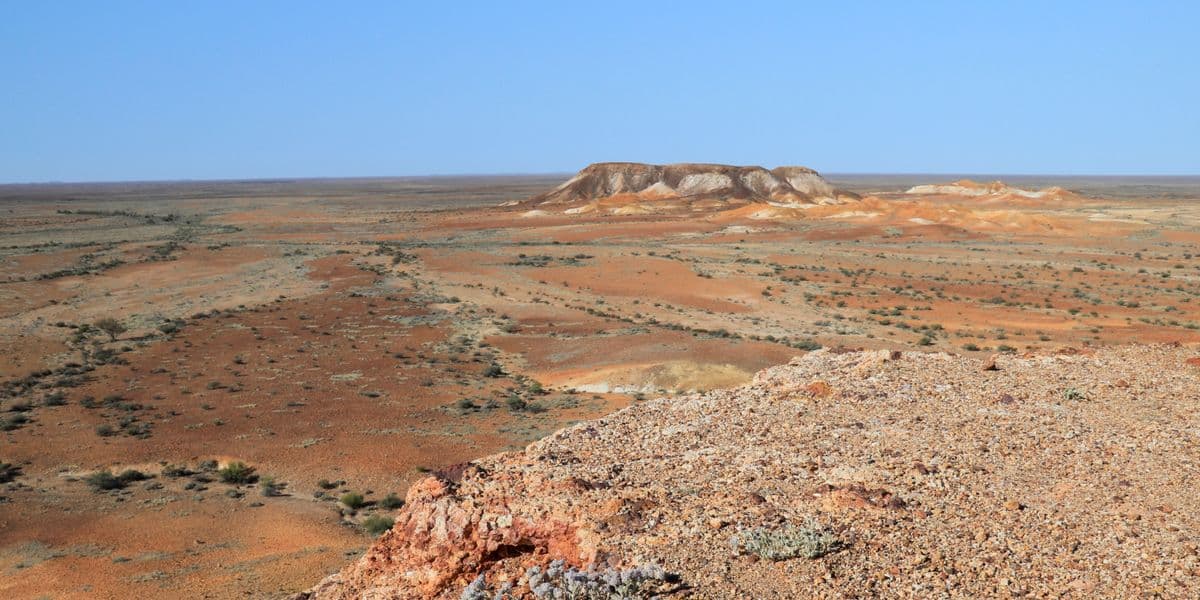
- Designated precious stones fields (Coober Pedy, Mintabie, Andamooka, Lambina)
- Private land with written landowner permission
Where You Cannot Fossick
- National Parks, Conservation Parks, Wilderness Protection Areas
- Aboriginal land without consent from the relevant Aboriginal body
- Within a current mining lease or exploration licence
- Within 400 metres of a dwelling, dam, or bore without written consent
| Material | Limit |
|---|---|
| Precious stones | Reasonable quantity for personal use |
| Opal noodling | Surface collection on designated fields is permitted without a tenement |
Land Access
Crown Land
Fossicking permitted on unreserved Crown land with a permit. Check for local restrictions.
Pastoral Land
You must notify the pastoralist before entering pastoral land to fossick.
Aboriginal Land
Written consent from the relevant Aboriginal body is required.
Key Rules
Carry your permit
You must carry your Precious Stones Prospecting Permit and produce it on request.
Backfill all holes
All holes must be backfilled and ground restored.
No shaft sinking
You cannot sink a shaft or excavate below surface level without a mining tenement.
Opal fields rules
On designated opal fields, noodling (surface picking on existing dumps) is permitted. Digging a new shaft requires a Precious Stones Prospecting Permit (Opal) which costs $68.50.
Forest Reserves
Fossicking in ForestrySA forest reserves requires a separate ForestrySA fossicking permit ($8.40/day or $84/year).
Western Australia
Permit
Miner's Right
Cost
$29.50
Duration
Ongoing (no expiry)
Max Depth
No more than 3 metres
How to Apply
Apply through WA Department of Mines, Industry Regulation and Safety.
Tools Allowed
- Hand tools: pick, shovel, pan, sieve, rake
- Hand-held or battery-operated metal detectors
- Hand-operated sluice or dry blower
- No mechanised equipment, explosives, or chemicals
Where You Can Fossick
- Crown land that is not reserved
- State forests and timber reserves
- Pastoral land (with conditions)
- Private land with written landowner permission
Where You Cannot Fossick
- National Parks, Nature Reserves, Conservation Parks
- Aboriginal land without consent
- Within a current mining lease or exploration licence
- Within 100 metres of a dwelling or dam
- Water supply catchments
| Material | Limit |
|---|---|
| General | Reasonable quantity for personal use |
| Commercial quantities | Require a mining tenement, not a Miner's Right |
Land Access
Crown Land
Fossicking permitted on unreserved Crown land with a Miner's Right.
State Forest
Permitted in most state forests and timber reserves. Some areas restricted.
Pastoral Land
You may fossick on pastoral land. Courtesy dictates notifying the station owner, though it is not legally required on Crown land under pastoral lease.
Private Land
Written permission from the landowner is required.
Key Rules
Carry your Miner's Right
You must carry your Miner's Right at all times while fossicking and produce it on demand.
Backfill all holes
All holes must be backfilled and ground restored before leaving.
No damage to roads or fences
You must not damage any road, track, fence, or infrastructure.
Gate protocol
Leave all gates as you found them (open or closed).
Recreational only
The Miner's Right is for recreational fossicking only.
Northern Territory
Permit
No permit required
Cost
Free
Duration
N/A
Max Depth
1 metre
How to Apply
Apply through NT Government Fossicking Information.
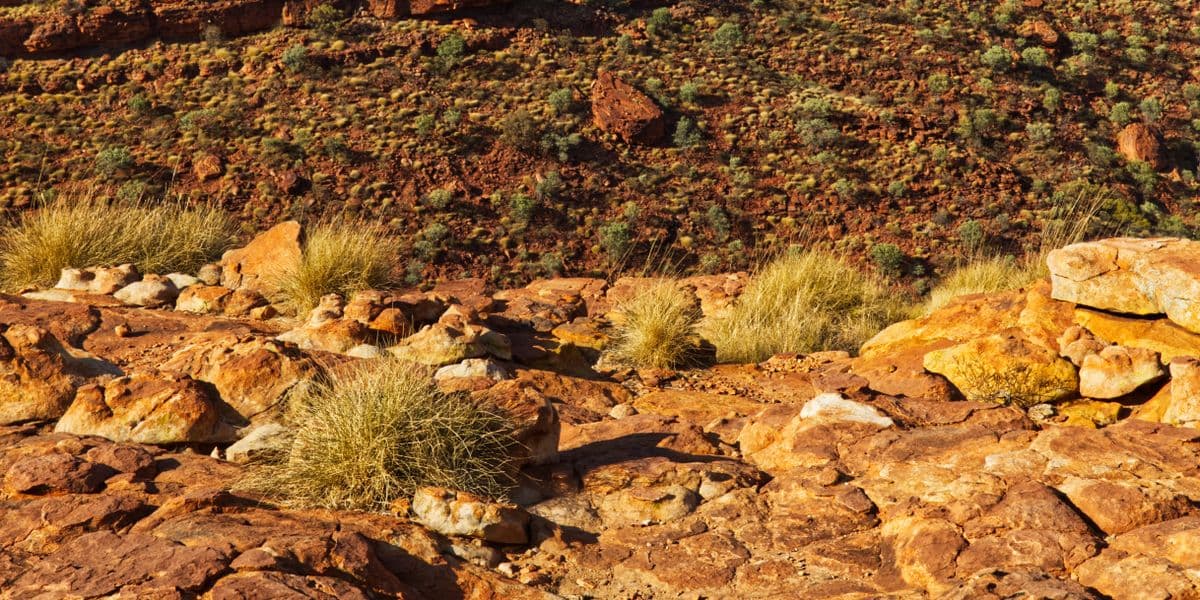
No permit or licence is required for recreational fossicking in the NT. You can freely collect rocks, minerals, and gemstones by hand or with a hand-held tool to a depth of 1 metre. You must comply with land access rules, notify landowners on certain sites, and abide by collection limits. The NT has 7 declared fossicking areas: Arltunga (gold, garnet), Central Harts Range (mica, garnet), Harts Range West (garnet, mica), Warrego (gold), Mud Tank Zircon Field (zircon, apatite), Newry (zebra rock), and Wave Hill (prehnite, agate, amethyst).
Tools Allowed
- Hand tools: pick, shovel, pan, sieve
- Hand-held or battery-operated metal detectors
- Power-operated screening equipment (not extraction)
- No explosives of any kind
Where You Can Fossick
- Declared fossicking areas (7 areas across the NT)
- Vacant Crown land (with conditions)
Where You Cannot Fossick
- National Parks, Conservation Reserves, Nature Parks
- Aboriginal land without consent from the relevant Land Council
- Within a mining lease or exploration licence
- Within 100 metres of mining sites, cemeteries, or buildings
| Material | Limit |
|---|---|
| Gold | 100 grams |
| Gemstones | 1 kilogram |
| Other minerals | 20 kilograms |
| Mineral-bearing material | 100 kilograms |
| Ornamental stones | 100 kilograms |
Land Access
Pastoral Land
Give the pastoralist at least 7 days written notice before entering.
Exploration / Mineral Licence
Give the title holder at least 14 days written notice before entering.
Aboriginal Land
Written consent from the relevant Land Council (Northern Land Council or Central Land Council) is required.
Key Rules
No permit needed
Recreational fossicking in the NT does not require a permit or licence.
Backfill all holes
All holes must be backfilled and ground restored.
Declared areas
Fossicking is encouraged within the 7 declared fossicking areas. Outside these, check with the Department.
Diamonds excluded
Diamonds are excluded from fossicking.
Recreational only
Fossicking is for recreation only, not commercial gain.
Tasmania
Permit
Prospecting Licence
Cost
Free in fossicking areas, $39.20/year for Prospecting Licence
Duration
5 years (Prospecting Licence)
Max Depth
Surface fossicking only
How to Apply
Apply through Mineral Resources Tasmania.
Tools Allowed
- Hand tools: pick, shovel, pan, sieve
- Hand-held or battery-operated metal detectors
- No mechanised equipment, explosives, or chemicals
Where You Can Fossick
- Eleven designated fossicking areas (no licence required, hand tools only)
- Crown land and state forests (Prospecting Licence required)
- Private land with landowner permission
Where You Cannot Fossick
- National Parks, Nature Reserves, Conservation Areas
- World Heritage Areas
- Within a current mining lease or exploration licence
- Water supply catchments
| Material | Limit |
|---|---|
| General | Reasonable quantity for personal use |
Land Access
Crown Land
A Prospecting Licence is required for fossicking on Crown land outside designated fossicking areas.
State Forest
Permitted. Check with Sustainable Timber Tasmania for any seasonal closures.
Private Land
Permission from the landowner is required.
Key Rules
Backfill all holes
All holes must be backfilled and ground restored.
No damage to vegetation
Avoid damaging live trees and vegetation.
Hand tools only
Mechanised equipment requires a mining licence.
No metal detectors in fossicking areas
Metal detectors are not permitted within designated fossicking areas. A Prospecting Licence is required to use a metal detector elsewhere.
Fossicking outside designated areas is illegal without a licence
You need a Prospecting Licence ($39.20/year, 5-year term) to fossick outside the 11 designated fossicking areas.
Australian Capital Territory
Permit
No formal licence
Cost
N/A
Duration
N/A
Max Depth
Surface collection only
How to Apply
Apply through ACT Parks and Conservation Service.
Tools Allowed
- Hand tools only: pans, small shovels
- Metal detectors in permitted areas only
- You must restore any disturbed ground
Where You Can Fossick
- Very limited. Most land in the ACT is either leasehold or nature reserve
- Some creek beds on unleased land may be accessible
- Near the border, consider getting a 12-month NSW state forest permit
Where You Cannot Fossick
- National Parks (including Namadgi)
- Conservation Parks and Reserve areas
- Leasehold land without lessee permission
- Private land without written permission
| Material | Limit |
|---|---|
| General | Not formally defined due to limited opportunity |
Land Access
No general permit
Unlike NSW, there is no single, widely advertised online ACT fossicking permit for public lands. You must obtain permission from the relevant landholder or authority.
Private Land
Written permission from the landowner is required.
Near the border
If looking to fossick near the ACT-NSW border, consider a 12-month NSW state forest permit which covers nearby forests.
Key Rules
Contact ACT Parks first
Contact ACT Parks and Conservation Service regarding designated areas before heading out. Fossicking is strictly regulated.
No general permit exists
There is no single ACT fossicking permit. You need explicit permission for ACT forests or private land.
Restore all ground
All tools must be hand-held and you must restore any disturbed ground.
Heritage protections
Aboriginal and European heritage sites are strictly protected. Do not disturb any artefacts.
New Zealand
New Zealand has 20 designated gold fossicking areas, all on the South Island. No permit is required to fossick in these areas. Hand tools only. Fossicking on DOC (Department of Conservation) land outside designated areas requires a permit from DOC.
Dig Here maps all 20 NZ fossicking areas, DOC conservation land, and active mining permits.
View NZ on the MapSee Where You Can Fossick
Dig Here shows land tenure and fossicking areas for every state on one interactive map. See exactly where Crown land, state forests, and declared fossicking areas are before you drive out.
Start FreeInformation on this page is compiled from publicly available state and territory government sources and is current as of August 2026. Laws, fees, and access rules can change. Always verify current rules, permit requirements, and access conditions with your state or territory authority before fossicking. Dig Here provides this information for guidance only and accepts no liability for errors or changes. This guide covers recreational fossicking only. Commercial mining, prospecting for petroleum, or collecting fossils may require separate approvals.